Thursday, July 6, 2023

Mountain Temple Monks

Art by www.athelu.com

Monks are one of my top two favorite archetypes in RPGs. It's a pretty tight contest between wizards and monks for me, and as I've written up several wizard cults, I figured it was time to bring in a monk order to the fold.

The Mountain Temple Monk definitely has shades of Shaolin throughout it. Many of the Mysticism powers are rumored to be abilities of the Shaolin, and are featured in many wuxia films. It also (and perhaps even more so) has shades of the AD&D monk (various editions) scattered throughout. 

The fact that he needs to defeat a member of the rank they wish to advance is a clear callback to the earliest days of the monk. This restriction on their advancement serves an important purpose: it makes the monk have a diverse skillset as they are unlikely to beat a member of the Master or Sage ranks without being able to call in a number of other skills. While a Master only needs 3 skills at 90% to advance, almost no master only has 3 skills at 90%. Most have a couple more at 90% or better, ensuring they will be difficult opponents indeed.

The additional cost for Mysticism talents also hampers the growth of the monk, forcing them to take away from their Standard skill-heavy required skills and pull points into actually doing monk things. However, this pays off, as they have access many abilities, including 2 new combat style traits.

Chi Push and Dim Mak both overcome deficits unarmed attacks have, in that they are especially low damage. They evoke images of those wuxia films, where opponents are tossed around or damaged through armor. The latter highlights something that I've found with Mythras - it is often better to give armor piercing than to give damage. It allows for lower damage weapons like hands to be effective without making them clearly superior to larger weapons.

Another key thing to note is that all of the monk weapons are simple, often low damage. They don't have to be, but it is suitable to the archetype. See later on in the article for more weapons.

Mythos and History

Historically, people have retreated to meditation, seeking wisdom from nature, asceticism, and physical discipline. Frequently, they meet others who wish to learn from or journey with them on their contemplative travels. These groups form small monasteries, and work together to develop their skills into schools of mystical learning. 

Nature

Monks represent peaceful retreat from society but still maintain a connection to nearby towns and villages to provide blessings and protection, and to receive alms. Junior monks often learn humility through begging.

Organization

Most monasteries have a strict hierarchy with a sage as the head of their order. The sage is sometimes the founder of the order, but just as often a first- or second-generation student who has advanced. Many of his duties are delegated out to a small number of masters, and then further down to Disciples who teach new students.

Membership

Standard. In addition, before advancing to the Master or Sage rank, the applicant must defeat a member of the rank to be achieved in an exhibition of single combat. This need not be deadly.

Restrictions

Monks have multiple taboos they must abide by – one against eating meat, another against killing sentients other than in self-defense, and another against theft. Punishment for the taboo normally involves a purification ritual that can be quite physically or emotionally demanding. Treat as an effort in Task Rounds lasting days to weeks.

Monks also have Geasa forbidding them from wearing any armor and as well as a vow of chastity. As these are spiritual restriction over their powers, any violation of Geasa will remove access to Mysticism abilities until atoned for. 

Skills

Athletics, Acrobatics, Lore (History or Religion), Insight, Endurance, Evade, Meditation, Mysticism, Willpower, Combat style (club, sling, staff, unarmed; Traits: Daredevil, Do or Die)

Magic and Gifts

Monks learn Mysticism, as well as several combat traits. Any Mysticism ability or Combat Style Trait beyond the student level each requires 5 XP expenditure. Gifts at the Sage rank require 10 XP per gift to learn.
  • Student - Invoke Arrowcut, Invoke Featherlight, Enhance Movement Rate 
  • Disciple - Invoke Formidable Natural Weapons, Invoke Immunity (Disease and Poison), Invoke Indomitable, Enhance Healing. Disciples may learn the Chi Push trait
  • Master - Invoke Astral Projection, Invoke Aura of Tranquility. Masters may learn Dim Mak trait
  • Sage - Access to the Gifts of Abstinence Food, Abstinence Water, and Eternal Life

Chi Push - The monk gains the Bash special effect with his Unarmed strikes using their cult combat style. The distance knocked back is 1/20th of the monk’s Mysticism. As with Bash, this still only works on creatures up to twice the monk’s SIZ, and if the recipient is forced backwards into an obstacle, then they must make a Hard Athletics or Acrobatics skill roll to avoid falling or tripping over.

Dim Mak - Monks gain a new Special Effect called Dim Mak that allows them to penetrate a number of points of worn or natural armor equal to 1/20th their Mysticism skill with their unarmed attacks using their cult combat style. Magic armor protects, but only the amount of the magical bonus.

But What About All Those Cool Weapons

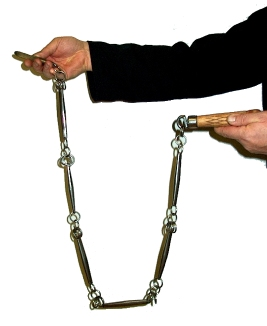
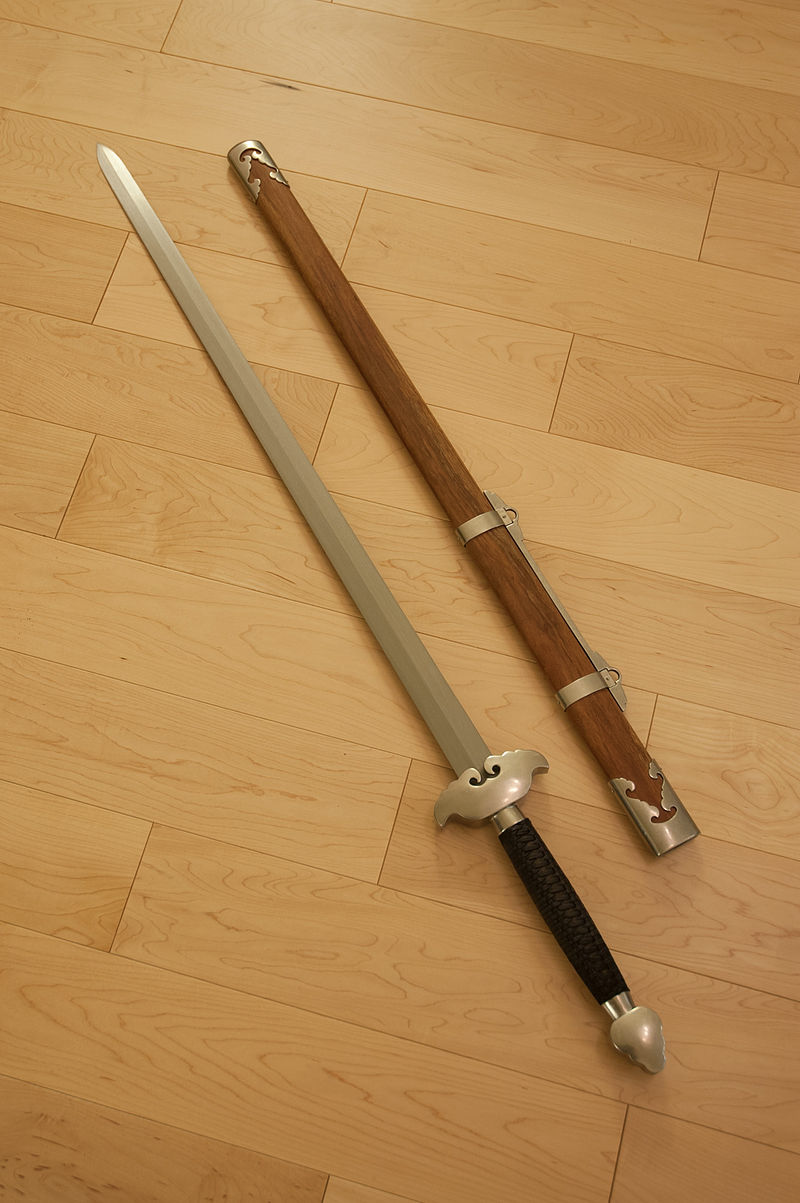
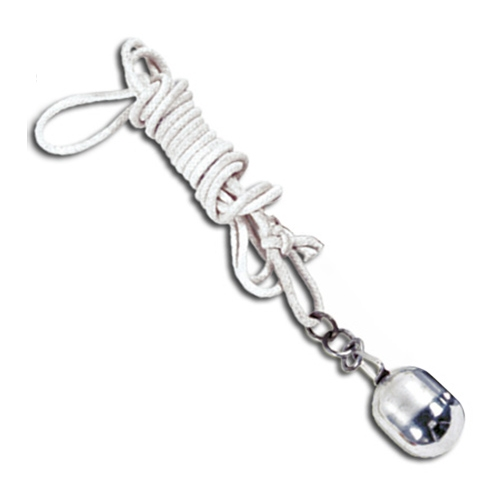
If you want to do something like Crouching Tiger, Hidden Dragon, you can't just go without Green Destiny. That wouldn't do. The number of times I've watched someone use a meteor hammer or a rope dart would be shameful to admit it. So, I've put together a set that are appropriate.

Most of these could be dropped into the style fairly easily with little impact. You might offer them up for 3XP and a couple weeks worth of training each. 

Weapon

DMG

SIZ

Reach

Combat Effects

Traits

ENC

AP/HP

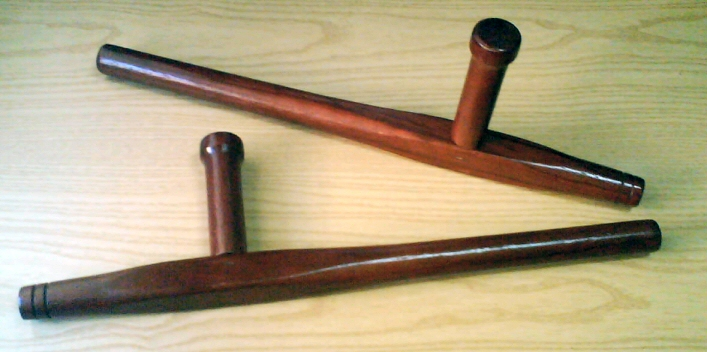
Three Piece Staff

1d6+1

M

M

Stun Location, Bash

Entrapping, Flexible, Double Ended, Defensive

3

4/8

Deer Horn knives

1d4

S

S

Bleed

Entrapping

-

6/10

Hook Sword

1d6

M

S

Bleed, Impale

Entrapping

1

6/8

Chain Whip

1d6

M

L

Entangle

Flexible

1

8/6

Rope Dart or Meteor Hammer

1d6

M

VL


Entangle,

Impale (rope dart only),Stun Location (meteor hammer only)

Entrapping, Flexible, Offensive, Barbed (Rope Dart Only), Double Ended (Meteor Hammer Only)

1

2/8

Dao

1d6+2

M

M

Bleed

-

1

6/10

Jian

1d8

M

M

Bleed, Impale

-

2

6/10

Guai

1d6

M

S

-

Defensive

1

4/4

Taijishan

1d4+1

M

S

Bleed, Stun Location

Ranged Parry, Passive Blocks 2 Locations

1

2/4

Wind and Fire Wheels

1d6

M

S

Bleed

Defensive

1

6/8


Chain Whip

One handed melee weapon

Treat as a Chain (Mythras, p63), with a Reach of L and damage of 1d6 due to heavier links


Dao

Treat as falchion


Deer Horn Knives

One handed melee weapon

Treat as a main gauche. Often used in pairs


Guai

        Treat as a Club with the Defensive trait


Hook Sword (fu tao)

One handed melee weapon

Treat as a shortsword, but replace Impale with Entrapping

If using a pair of hook swords, you can attach the two swords together and extend  the reach from S to L. The weapons lose the Impale effect and Entrapping trait.


Jian

Treat as a broadsword


Meteor Hammer

Two handed melee weapon

        Damage: 1d6

Size: M

Reach: VL

Combat Effects: Entangle, Stun Location

ENC: 1

AP/HP: 2/8

Traits: Entrapping, Flexible, Offensive, Double Ended

This weapon is easily constructed, requiring only a minute and simple materials. Constructed this way, it is subject to the Weapon Malfunction Special Effect on a fumble.

This weapon can be easily converted into a garrotte with a single action. Its damage becomes 1d2, its reach becomes T, and it loses its Flexible and Double Ended properties.

This weapon can shift its reach anywhere from VL to S for 1 AP. 


Rope Dart

Two handed melee weapon

        Damage: 1d6

Size: M

Reach: VL

Combat Effects: Entangle, Impale (rope dart only)

ENC: 1

AP/HP: 2/8

Traits: Entrapping, Flexible, Offensive, Barbed

This weapon is easily constructed, requiring only a minute and simple materials. Constructed this way, it is subject to the Weapon Malfunction Special Effect on a fumble.

This weapon can be easily converted into a garrotte with a single action. Its damage becomes 1d2, its reach becomes T, and it loses its Flexible and Barbed properties.

This weapon can shift its reach anywhere from VL to S for 1 AP. 


Taijishan (war fan, or iron fan)

One handed melee weapon

Treat as a buckler with an AP of 4 and HP of 5. Many taijishan are collapsible and easily concealed (Very Easy conceal roll to hide on your person). Most are very difficult to distinguish from a common fan (Formidable perception at a distance, Standard on close manual inspection), and thus are taken where larger weapons are not allowed.


Three Piece Rod

Two handed Weapon

Damage: 1d6+1
Size: M
Reach: M
Combat Effects: Stun Location, Bash
ENC: 3
AP/HP: 4/8
Traits: Entrapping, Flexible, Double Ended, Defensive

Wind and Fire Wheels (feng luo hu) 

One handed melee weapon
Damage: 1d6
Size: M
Reach: S
Combat Effects: Bleed
ENC: 1
AP/HP: 6/8
Traits: Defensive


Chain Whip

Dao

Deer Horn Knives

Guai

Hook Sword

Jian


Meteor Hammer

Rope Dart


Taijishan

Three Piece Rod
Wind and Fire Wheels


Monday, July 3, 2023

The Thaumatuge

Some artwork © (2023) John Latta, used with permission. All rights reserved. 

Back a little bit ago, I was discussing Sorcery with my podcast partner Bil on (and off) the air around this episode on cults. He is of the opinion that Sorcery is more of a system to build magic systems, and not really a magic system for players. I can see his point - it has a lot of moving parts, it is the least defined, not even deciding what rank in a cult spells are taught like Theism. It has the potential to radically shift a game.

The trick of it is that Sorcery is what people who want to play a non-theistic caster gravitate towards. That's good for folks who love to tweak the game ("power gamers" and arguably GMs), but not so good for folks just looking to be a wizard. Bil's solution to this was to just use Theism, and after some consideration, I thought it was a pretty good idea. And thus the Thaumaturge was born. 

First off, we rename the Devotion Pool to a Force Pool. It still requires some level of meditation to put points into it, but the Thaumaturge has with him a portable "shrine" - his wand, staff, or orb. Normally this is given to the Dedicated member as a gift at initiation, as it allows him to cast his spells. We also rename Devotion to Force and Exhort to Direction, giving him skills that map directly, but are flavored towards someone who might not get their power from a god. 

Folk magic is not required, but is often taught. You'll note that the skills do not include Folk Magic. The Common member is expected to learn it outside of the cult, but any spells a thaumaturge picks up may be, and often is, taught to other members. Force pool resources are tights and bringing Lightning when Disruption will do the job is desirable.

The spell selection I've chosen is designed to give the flavor of a "classic" wizard. His "theist" spells are utilitarian to an extend, allowing summoning, shapeshifting, necromancy, and even some attacks. But he cannot do these all day. His Force Pool must grow, just like a traditional theist's does. Most importantly, upon reaching the Proven level, the thaumaturge can make his own magical implements. This gives him strong resistance to its destruction or theft.

The passion in his restrictions is largely flavor that goes along with the backstory. Another restriction would work just as well - a Geas against wearing armor, force example, would fulfill a traditional role.

Setting

The Thaumaturge will fit well in any standard high fantasy game. It feels much like a 4th or 5th edition AD&D class, or perhaps a 13th Age class. However, there are few mechanical barriers to keep it from being ported into any setting that would support higher level magics.

Mythos and History

A thousand years ago, a boy was born under an auspicious sign to a desperate village. Plague and famine bedeviled them, and as he grew, he longed to be able to lift his people from the trials before them. 

One day, as he was searching the scrublands for food, he stumbled upon a unique stone. Perfectly spherical, smooth, and a bit bigger than a man’s fist, he knew that it had special meaning. So he took it with him home.

He was scolded by his family for this, as one cannot eat a stone, but he kept it near him, turning it over and over in his hands at night, learning every inch of its surface, channeling his every desire to help his people into it.

Then, one day, he was again out searching for food, and he stumbled upon a group of bandits stealing the food from another villager. At this moment, his heart broke, and he could bear it no more. All his anger and fear unleashed out of him, through his odd orb, forming a fulminous bolt, striking the ground near the bandits. They ran for their lives, dropping the food.

Since this day, thaumaturges have been found in those with the greatest passions.

Nature

All thaumaturgists have some sort of object to help them focus their will, known by several names, but colloquially called a focus. Most often this is a staff, orb, or wand, but others have been created. The focus becomes an important tool for them, allowing them to restore their Force Pool (treat as a Devotional Pool) and cast their spells more easily. Only the most experienced no longer need it to channel their will towards their magic.

Organization

Thaumaturgists most often operate as master and apprentice. The master teaches the apprentice how to harness their passion, harnessing their will to create magical effects, and furnishes them with their first focus. In fact, the learning of the Consecrate spell is a marker that someone is ready to take on an apprentice.

Membership

Standard. Most also have some experience with Folk Magic, though this is not a requirement.

Restrictions

The thaumaturge’s greatest Passion acts as a cap to their Focus and Direction skills. Because of this, they cannot use this passion for augmenting their Force or Direction skills. 
In addition, their focus facilitates casting of their spells, and casting their theist spells without holding it is done at a one difficulty grade penalty.

Skills

Force (as Devotion), Direction (as exhort), Insight, Lore (any), Perception

Magic

  • Common - Common members of this cult can be anyone the Thaumaturge has a related passion for, whether friend, community, or countryman. Thaumaturges who are skilled in folk magic often teach it to those members. Starting members of this cult can have folk magic spells up to 1/10th their folk magic skill in number for free as a starting character.
  • Dedicated - Breath Water, Conjure Elemental (several are available, each requiring 5xp to learn), Lightning
  • Proven - Beast Form (several are available, each requiring 5xp to learn), Consecrate, Leeching, Raise Undead
  • Overseer - Earthquake, Resurrect, Sever Spirit

Gifts

Leaders no longer suffer a penalty for casting without their focus, though they still require it to recover their Force Pool.


Thursday, June 29, 2023

Warmaster Academy

Art by Dean Spencer

One of my favorite characters ever wasn’t a Mythras character at all. It was a 4th Edition D&D character named Ghesh. Ghesh was a Dragonborn Bravura Warlord with an 8 wisdom, and the action economy was his plaything. So many combats I spent granting reactions and actions, causing rounds to duplicate, and so many other things with that character. 

I’ve been perpetually disappointed that the Warlord has not appeared in other editions of D&D in the same, or similar form. They’ve all been about granting very specific bonuses which, quite frankly, betrays the warlord’s flexibility. 

For Mythras, I decided to offer some of that flexibility back in the Academy of the Warmaster, a school where one learns to lead soldiers into battle, and they become stronger for their presence. Hopefully I’ve incorporated the pieces that give them this.

At the lowest rank, the Lokhagos learn some basic vocal techniques to inspire their troops. Similar to folk magic in effect, it differs in being entirely non-magical, though limited in use by Tenacity. I find that many “martial” abilities for non-magical archetypes work pretty well as folk magic spells. They are generally of pretty limited scope but can do things you don’t see normal people doing. It can give a good feel without shifting the power balance much.

Tagmartarkhes learn how to mess with initiative. This comes from the original meaning of initiative in D&D, which was military initiative. It gives them a feel that they can see what is happening on the battle field before others, and can warn them. The addition about Surprise hints at a rule I implement in my game – anyone who withdraws can force a reroll of initiative. This means a warmaster is going to be able to regain the upper hand if he can get a moment to think.

Syntagmatarkhes gain the real meat of the school – a group luck pool. An optional rule in Mythras, this provides a nice reason for it to be. It encourages keeping the warmaster around, working together, and gives the warmaster some much needed flexibility. Remember, luck points allow for rerolls, swapping dice, mitigating damage and wounds, or even getting extra actions. This should let them do nearly anything that the group might need to, but not so many times that they are going to abuse it. 

Taxiarches get the ability to use a trained cult skill in lieu of Perception or Insight in some situations. While this may not seem like a huge benefit, not having to train a skill, and getting the benefit at such a high rank (the Taxiarches could have this skill at 90%+ by this point) ensures that it will likely be successful. In addition, their ability to make quick decisions will allow them to use their Lore (Strategy and Tactics) while engaged in melee or to look over a battleplan and deploy before most would have time to react.

Strategos, having served their time, gain the benefits of a residence and soldiers who watch over him. They are often far behind lines, making plans and plotting the safety of their armies, but some use their residence as merely a place to rest and recover before their next campaign to conquer. 

Setting

Clearly, the naming implies that the Warmaster would fit well into an ancient world campaign, but it could easily fit just as well into a World War campaign. One can easily see Patton and Rommel cut from this cloth. No magic is required, and it has a relatively limited scope, so should work in just about anything that will allow for strategists overseeing hundreds or thousands of troops, whether grimdark futuristic sci fi or Wuxia inspired formations of tens of thousands clashing during the Yellow Turban Rebellion

Mythos and History

The Warmaster Academy was founded centuries ago by proclamation of the king as a reward to a general for his loyalty and success in a great war. The teachings of that general have been passed down and augmented by many others such that the curriculum at the Academy is second to none in the art of warfare.

Nature

The Academy is the largest and most well-known school of warfare in the kingdom. Being accepted there is considered a great privilege. New students attend full time, which includes leading small groups of men in the field and focuses as much on physical fitness as it does war studies.

Organization

Those who train at the Warmaster Academy can come from either the enlisted in the Army, buy their way in with Noble birth, or occasionally from the rare scholarship and sponsorship by a senior member. Newer members spend most of their time attending classes, studying battles and leadership, while more senior members are deployed to the field, either at the heads of armies or leading small strike teams to target particularly troublesome problems.

Membership

Standard. Ranks (with corresponding Mythras brotherhood rank) are Lokhagos (Associate), Tagmartarkhis (Apprentice), Syntagmatarkhis (Journeyman), Taxiarchos (Master), and Strategos (Grand Master).

Restrictions

Members must pay a yearly fee of 100sp per rank they hold in the Academy. Strategos are exempt from this.

Skills

Lore (Strategy & Tactics), Oratory, Influence, Athletics, Endurance

Magic

Members don’t practice magic, but some of their encouragements are almost magical in their effect. Lokhagos learn how to use effects like the folk magic spells Calm, Demoralize, Fanaticism, Vigor, and Voice. These are cast using the Oratory skill and use Tenacity points instead of magic points, but otherwise behave identically to the spells of the same name.

Gifts

Tagmartarkhes gain a bonus to their initiative equal to 1/10th their Lore (Strategy & Tactics). Higher rank warmasters who have communicated with their group (1 round or 5 seconds) can give this bonus to them as well. This bonus cannot be used if the warmaster is Surprised without forcing a reroll of initiative (i.e. from the Withdrawal action, etc.)

Syntagmatarkhes can work with a group of characters up to 1/10th his Oratory skill and create a Group Tactical Pool with a number of points equal to 1/20th of their Lore (Strategy & Tactics) over the course of a day. The tactical points in this pool can be used by anyone in the group while the warmaster is with them, and act identically to luck points. This pool refreshes when narratively appropriate (in the morning before adventuring, during a rousing speech before a major battle, etc.) at the Games Master’s discretion.

Taxiarches can make snap judgements about battles, allowing them to use their Strategy (Lore & Tactics) in place of their Perception skill when using the Assess Situation action or in detecting ambushes, or in place of Insight when detecting deception. Additionally, when making, assessing, or countering battle plans outside of combat, they may improve the time interval of their task by one step (hours to minutes, minutes to seconds, etc.

Strategos are gifted with a residence, similar to a Sanctuary (Mythras p202), save enemy cults are challenged by cult members if they cross the threshold.


Sunday, June 25, 2023

The Fiery Path

Art by www.athelu.com

This is one of the first sorcery cults I did up. It’s designed around a very common idea to provide a common image to those looking to build new cults of their own. It has a straightforward structure, some flavorful alterations, and builds in power as it gains in cult ranks.

The skills of the pyromancer school are mostly what you would expect, save for perhaps Insight and Seduction. These two skills flavor the pyromancers as more than just raw combatants and give them an edge in matters of the heart. I picked seduction as a metaphor for “the fire in the heart”, and Insight as a counter for it. Thus, they understand other kinds of fire and how to stoke them. A simple change of these skills can alter the feel of the school more than one would expect – substitute in Dance and Art (Fire Performance) and you would have a very different sort of pyromancer.

The extensive use of Folk Magic spells early in the cult ranks allows for a great deal of utility without pulling in the larger magics. The addition of Fire Arrow or Flameblade to party weaponry gives them an extra punch while keeping the sorcerer off the front lines themselves. Surreptitious use of Ignite can allow for a surprising amount of combat potential and chaos-making. Rounding out their list of utility, Dry and Warmth make the pyromancer a very useful companion to have in certain climates, including cold, dank dungeons. 

A notable thing about Folk Magic is that the school doesn’t offer training in Folk Magic. They expect you to come with some knowledge and invest in your own time. This gives the school the feel that they are focused on higher magics. The Mage Gift emphasizes this point, giving them a no cost thing but they still need to roll their skill to succeed.

Apprentices are not left out in the cold for combat, able to bring to bear Starve the Beast on their foes. While lacking the immediacy of Fire Strike, it also lacks the potential for collateral damage to equipment that can be collected. It is also a fair bit more discrete, only manifesting as a bit of quickly dissipated smoke. A quick casting of Perceive the Embers allows an adventuring party to cheaply maintain the cover of darkness in their discretion.

Adepts begin to show their power over fire, with Fire Dance and Flame Sculptor. Many don’t even make it past this point in the cult, finding plenty of utility in torches lit with Ignite and flame gouts animated and shaped onto their foes. Some develop exceptional skill in Craft (Fire shapes) and make beautiful and lucrative fire sculptures. Others find no reason to create anything more exotic than humanoid-shaped “elementals” to frighten off threats.

The inclusion of Fire Strike seems obvious, as what good would a fire wizard be without the ability to make blasts of fire from nothing. The important note here is that it deviates from the core Mythras Wrack spell, in that it does not ignore armor. As it is, it is exceptionally powerful, allowing the sorcerer to rain down gouts of fire and force evasion for lightly armored foes. Thus, the addition of armor brought it down to a more reasonable level. For lower powered games, try restricting Fire Strike to an instant spell, with no duration component, or requiring the Intensity to be paid for with Shaping points.

Archmages gain their last two spells which alter how fire moves through space, leaping distances via Call the Flame or allowing the archmage and companions to leap the space themselves. Their “Gift” is unique, as it can be a danger to those around them and encourages a spartan lifestyle.

Setting Suggestions

The pyromancer is a clear combatant sorcerer in most settings. Whether the Empire’s Red Wizards, scholars studying the sun and channeling its power, or a street mage who happened upon a tome of flame in the dusty stacks of a corner enchanter’s shop, they are likely to find a place for their skills. Perhaps the most interesting ones are where their skills are focused outside of combat, replacing their Insight and Seduction skills – perhaps to survival as a guide with Survival and First Aid skills, or a firefighter with Athletics and Engineering.

Mythos and History

Cultures have been fascinated with fire since its discovery. Myth and legend have been created around it, recognizing its creative, seductive, and destructive power. Eventually, those who feel a connection develop magic to control it, harness its power - perhaps to protect themselves and others, and perhaps to wreak burning destruction on their enemies.

Nature

The pyromancy school learns to look deeply into the flame and discern the mysteries therein. Similarly, it learns to emulate fire, inflaming passions, and drawing others to them. Those who follow are bound by their passion for fire, often bordering on pyromania. This makes the cult dangerous and feared by some, though some rulers have seen their value in military conflict - someone who can control the fires that the enemy hurls and create their own is an invaluable asset.

Organization

The school is a loose one, largely made up of pairings of masters and apprentices in stone towers found away from civilization, for safety reasons. A few larger schools in stone buildings have been founded in larger cities, with suitable protections placed around them. 

Membership

Though there are no common members, often members of this cult have had some traumatic experience with fire before joining, and those who have received severe burns are frequently scouted by the cult. There is also active recruitment by larger armies, as fire is frequently a useful weapon of war.

Restrictions

Standard. To join, you must demonstrate skill in one of the folk magic spells offered by the cult. Note, the cult does not actually provide training in Folk Magic, only in the spells once you have shown your ability.

Skills

Insight, Invocation (Pyromancy), Seduction, Shaping, Willpower

Magic

Apprentices are taught the Folk Magic spells Dry, Extinguish, Fire Arrow, Fireblade, Heat, Ignite, Light (manifesting as a flame), and Warmth, as well as the sorcery spells Perceive the Embers (Perceive (Fire)), giving Infravision) and Starve the Beast (Smother, manifesting as smoke in the lungs). 

Adepts are additionally taught Fire Dance (Animate [Fire]) and Flame Sculptor (Shape [Fire]). 

Mages learn Fire Strike (Wrack [Fire]). This spell differs from most versions of wrack in that armor does protect. However, if damage is done through worn armor, any garments, hair, or other flammable items may be ignited. The Intensity of this fire is half the intensity of the spell. Fire Strike can also target objects.

Archmagi learns Call the Flame (Attract [Fire]) and Jump the Firebreak (Portal). The Pyromancer may only open portals between two fires large enough to accommodate the creatures using the portal. The fires will not harm those using the portal for the duration of the spell.

Gifts

Those who achieve the Mage rank start to show the fire within them, allowing them to use the Ignite folk magic spell at touch range without expending magic points. Archmagi are barely able to contain the fires within themselves, gaining the Burning Chaos Feature for 1d3 rounds whenever they score a critical success on an Invocation (Pyromancy) roll. The Archmage is immune to the burning effect, but their equipment gains no such benefit from the Archmage.

Thursday, June 22, 2023

The Fellowship of the Snake

Some artwork © 2015 Dean Spencer,
used with permission. All rights reserved.

The Fellowship of the Snake started as an idea to write up the cults that are in the core Mythras book. I was looking to have a Mysticism cult in the quiver, and something a little different than the traditional martial arts influenced eastern variety. I have a friend in my gaming group that likes this sort of character, so I knew I had a willing audience.

The angle of it being a storytelling cult came because I really asked myself “why would anyone make an organization dedicated to excellence at lying?” After all, lying is much harder to do well then telling the truth, and it would be very difficult to maintain a structure with so much deception. So, I decided to take a page from history and make it an organization of storytellers, who perhaps embellish and outright lie for the sake of entertainment. This provided them with plausible cover, and the Great Naga provides someone guiding their actions towards something constructive.

Once an Aspirant reaches the point where they are competent with their story telling abilities, they begin on the path to learn how to become truly unearthly in their influence and deceit. Even at the mere student level, a member of the fellowship will be able to augment their deceit and influence levels to make it nearly impossible to tell when they are lying or telling the truth. A few mere moments of concentration and they can manipulate chiefs and kings to whatever their ends require. 

Thus, many leaders employ special incense that makes it more difficult to lie in their presence, or employ members of the School of Impenetrable Silence, hidden away, to watch the conversations. Some keep one of the Sisters That Would Have Done Well, an order specializing in communication sorcery, in their retinue to cast Telepathy and read the minds of those who would speak to the leader.

Once they reach the level of Disciple, they start learning the art of Lying with Their Body. They learn to augment their Conceal skill, and those who have taken the time to find training in other places, how to augment their Sleight skill. Thus, many snakes become good smugglers, thieves, and black marketeers, but a bit of sleight of hand combined with superb storytelling skills will entrance many crowds. It is at this level they can change their eyes to have vertical slits, gaining the ability of Nightvision, allowing them to operate well in the seedy underbelly of civilization.

Once they reach the rank of Master, members learn the ability to enhance their movement, making catching them extraordinarily difficult, and become resistant to magics that may convince them to tell the truth. It is because of the latter that masters who show enough ability are allowed in front of the Great Naga – trust must be complete, and compromising the integrity of the fellowship must be nearly impossible.

Grand Masters, I felt, had nearly reached the pinnacle of lying, and didn’t really need anything to increase their skill. However, I felt that access to control the organization might allow them to have a wider influence. The ability to Change Gender also seemed appropriate. Note, it doesn’t allow them to alter their appearance outside of some alternative gender version of themselves, but a Grand Master may have forms for a male, female, and whatever other non-binary genders you have in your setting.

Setting Suggestions

Obviously, with the naga influence, a traditional fantasy setting works well with this fellowship, but it doesn’t have to be that way. An urban fantasy cyberpunk world could just as easily have nagas, perhaps as a counter to corporation-owning dragons.

As with any use of the Augment ability, it is important for your setting to have something that counters it, and have it show up occasionally. Fellowship members should be able to lie convincingly most of the time, should have the ability to talk people down from blows regularly, and so on. Taking that away is no fun if it happens all the time, but once in a while puts a little spice of life and helps them rely on some other skills (like a simple disguise).

Mythos and History

It is said that the Great Naga has existed since before the gods were born and witnessed their rise to the heavens. It seems farfetched, but there can be no doubt the Great Naga is incredibly old and wise. It (the Great Naga has not revealed its gender, and Naga is used as a convention. It has not corrected its followers) has been written in myth and legend for centuries and has been seen as recently as yesterday – if you believe its followers. The stories they tell of the Great Naga stagger belief, parting forests and mountain alike before it, stopping armies with merely a glance, and gods submitting before its glory and wisdom, and so it is easy to see how one might be skeptical. And yet, the honeyed tongues of its followers are quite convincing.

Nature

The Fellowship often takes the role of storyteller in society, but they can be and represent much more. Snakes can be found as deep cover spies gathering valuable information, as revolutionaries fighting against oppressive governments, and as politicians pulling the strings of power. Anywhere where deception might be needed, and the Great Naga sees need for them. Its own aims and aspirations are inscrutable, masked behind layer upon layer of its followers’ deceptions and fabrications.

Organization

The cult follows a traditional structure, with Aspirants practicing their skills under the tutelage of a Disciple. Once they are judged worthy and skilled enough, they partake in a ritual where they are led blind-folded into a room in the grand temple. There, they feel two pricks in their skin and venom coursing through their veins, transforming them. Assuming they survive this ritual, they advanced to the Student rank, and are given an assignment by the Master. Repeated success and training ensure progression to the Disciple rank, and eventually to Master. 

The most accomplished of masters are eventually brought before the Great Naga, seeing it for the first time. Here, the master must tell the story of his life to this point, with all embellishments and truth-stretching that the master can muster. This is a test of entertaining the Great Naga, and success advances the master to Great Master, and taking direction for running the cult directly from it. 

Membership

Standard. The character must have a 50% in all of the fellowship’s skills to progress to the Student rank. Students must show at year 70% In 4 of the fellowship skills to progress to Disciple rank, and Disciples must have 90% in 3 of the fellowship skills to progress to master rank. At the grand master rank, at least two cult skills must be 110% or better, though most have more. They must undergo the Trial of the Great Naga, which will test many of their skills against the perceptive abilities of the Naga, and failure will wipe the mind of the former member.

Restrictions

As one might expect with an organization that trains their members in deception, an Oath of Loyalty to the cult is taken. In addition, the venom of the Great Naga places a geas on them which punishes them for knowingly lying to others in the cult outside of training – though many are creative enough with their half truths to avoid this without explicitly lying. Some even think the Great Naga’s venom keeps their edge, at this risk of losing their abilities.

Skills

Deceit, Influence, Oratory, Meditation, Mysticism

Magic

Aspirants learn no magic. Instead, they must practice their skills exclusively and attend to their daily lives outside of the Fellowship. Those showing promise are likely to succeed, receiving the most attention from Disciple.

Students first learn to Augment Deceit and Augment Influence. Once they have advanced to Disciple, they learn to Augment Conceal, Augment Sleight, and Invoke Nightsight. Masters learn to Augment Willpower and Enhance Movement. Grand Masters gain access to a Sanctuary (as the Gift) and a retinue of cult members to assist in expanding the influence of the fellowship, as well as the ability to Change Gender (as the Gift) at will. Many Grand Masters also take the time to learn how to disguise themselves.


Saturday, June 17, 2023

Ancestral Speaker and Guardian of the Totem

Some artwork © 2015 Dean Spencer,
used with permission. All rights reserved.

The Ancestral Speaker, along with the Guardian of the Totem, started as ideas to partially emulate D&D 5e subclasses but give it a very Mythras bent. In this case, they take inspiration from a couple of berserker subclasses – their Combat Style and Frenzy are clues here.

The use of a Fetch in this cult allows for channeling several abilities without requiring the shaman to negotiate many services from spirits. This is intentional, as it gives the feeling that the Ancestral Speaker and the Guardian of the Totem are self-sufficient, as befits a defender of the tribe. The additional fetch abilities provide variety and growth potential, as well as delving into different ways to benefit from the spirit.

With the Ancestral speaker, Abdication in the Sagacity ability prevents the power from being quite as predictable as one might like, as even a friendly fetch may have their own agenda. An ancestor with Sagacity (Lore - Strategy and Tactics) who was a great warlord may still bear some grudges against the friends you are trying to help. An Ancestor with Sagacity (Gambling) may be a notorious flirt or seducer and cause quite a scene. 

The Ancestral Speaker isn’t intended to be especially strong at using spirits outside the ancestors as tools. He has some Ancestors who can help for a long-term mission, but most everything else is going to be single use. On the other hand, they are not particularly limited in their use of fetishes, so binding a neutral spirit can provide easy access.

The Guardian is a representation of an animal totem warrior, someone who might have embraced the tribe's totem, and their powers reflect that. While they are likely to call on their totem-fetch for many of their abilities, it has more of a relationship with other spirits in the environment than the Ancestral Speaker. It is less likely to have bonuses to skills, however, and have more limited access to fetishes.

Setting Suggestions

                 The inspiration for this, a tribal berserker, is a clear path to use, but this is by no means the only one. A medieval noble family, with a long line of ancestors and burial grounds, could just as easily become a “tribal” defender. A modern political family would work as well – imagine being able to call on a dead ancestor’s knowledge of a political friend for favors or a foe’s weaknesses for finally destroying a rival faction. It could even be flavored to represent previous lives in some far-future lineage-manipulating priesthood, calling on nearly supernatural skills at a moment’s notice.

Ancestral Speaker

Mythos and History

The myths and history of the tribe are the lifeblood of the Ancestral speaker, as she invokes and abdicates her body to the tribe’s ancestors. The stories are told, often in the voice of the ancestor, as to the creation of the world, how the first game was hunted, how a particular waterfall gained healing properties, and how the world will come to an end.

Nature

Tribes in the wilderness often show respect for the spirits of their ancestors - making offerings, telling stories, and otherwise continuing their memories. This allows them to maintain an oral history, teach their offspring, and continue their cultural traditions.

Ancestral speakers, however, make this communication bidirectional, giving the spirits a voice and a presence that would not be heard otherwise. They can abdicate their bodies to the great people that have come before in the tribe, giving them a say long after the ancestor has passed to the spirit realm. 

And when the time of war comes, they can allow the spirit to defend their tribe even after death, driving the speaker into a terrifying and lethal frenzy.

Speakers often show a connection to an ancestor at an early age - maybe a favorite story, or maybe they are the progeny of a particularly heroic figure in their tribe. Over time and the repeated performance of rituals honoring the ancestor, the fledgling speaker learns to communicate with their ancestor, and in return gains access to the spirit’s knowledge.

Organization

Many tribes have a single ancestral speaker who guides rituals to honor the ancestors and has a duty to remember and pass down the stories of those who came before. 

Those fortunate enough to have several often see divisions reflecting politics throughout the history of the tribe, with speakers being favored by one faction or another. This can prove troublesome for the tribe, as it makes it difficult to let old arguments go. Even relations with other tribes may become tense, as political alignments in the physical realm may not reflect the views of a spirit who was at war with another tribe when they were alive.

Membership

Standard. Only tribe members are allowed to become Ancestral Speakers as a rule. Occasionally, a worthy hero undergoes a ritual and becomes a tribe member after some great service – saving multiple tribe members from death, feeding them in times in starvation, and so on. 

Restrictions

A Speaker speaks for only one tribe, and must take an Oath to that tribe, starting at 30%+POW+INT. There is also a Taboo on body snatching and binding souls to living creatures.

Skills

Binding, Lore (Ancestors), Trance, Combat style (Cultural), Customs, Perception

Magic

Every Ancestral Speaker of Spirit Worshiper rank has been blessed with an Allied Fetch representing an ancestor. The Fetch offers the Endowment (Frenzy) via Augmentation and has the Eternal and Persistent spirit abilities. Each Fetch also offers Sagacity in one Professional Skill (other than Binding and Trance), manifesting as Abdication. 

Additional fetch abilities can be gained by the Ancestral Speaker spending 5 XP per ability and performing a spirit quest (normally a month of fasting and ritual cleansing, the specifics differ per tribe). Common abilities include Bless Armor Points or Healing, Healing, Mana, Perceptive, Sagacity (in any professional skill the tribe knows), and Spellcasting (almost exclusively Folk magic, though your campaign may differ). Others are at the GM’s discretion. Only one such ability may be learned per rank in the cult, and how they manifest (Augmentation, Embodiment, Abdication) is left to the GM and the player.

Other Ancestor Spirits from the same clan or tribe are Friendly and have one spirit ability per Intensity. Most are found within the lands of the tribe, but some few may have been put to rest in foreign lands. Most other spirits are neutral, though bane, curse, sickness, and wraiths are hostile. Haunts and Undead, while hostile, are sought to put to rest or in rare cases bound to a fetish and unleashed on an unsuspecting foe.

Ancestral Speakers utilize fetishes but will not create them from Ancestors within their own clan or tribe. 

Gifts

Those who reach the Overseer rank gain the Cult Evolution gift, representing a new Ancestor whose story is passed from advocate ancestors to the speaker. This story is told by the tribe so that the spirit may be venerated.

Guardian of the Totem

Mythos and History

Many throughout the ages have felt a strong connection to a particular animal - seeing it in their dreams or feeling the presence of a spirit near them always. For those who hear this calling, the urge to follow it can be strong, and those who make the spirit quest are rewarded with a deeper understanding of their guide.

Nature

Most guardians became so after experiencing their connection to one animal species. This may have happened at a distance, as a Guardian of Caribou observing the Great Herd and running with them or a Wolf Guardian howling in the night with his brothers, or up close, as the child who miraculously survives a close encounter with a man-eating tiger, or the eagle hunter who grows a close bond with a favored companion.

Organization

Many Guardians are loners, though some take on an apprentice who follows the same Totem. In some places, whole tribes follow the same totem, though not all become Guardians.

Membership

Standard. 

Restrictions

A Guardian can only be so for one Totem. They take an Oath to that Totem, starting at 30%+POW+INT. It  is Taboo for them to kill an animal represented by their totem, resulting in inner conflict and the loss of access to their fetch until the act is atoned for.

Skills

Athletics, Evade, Combat Style, Binding, Trance, Survival

Combat style varies by tribe and by animal. Some examples include:

  • Bear - Club, Great Club, Batter Aside. Shield splitter
  • Eagle - Spear, Javelin, Net, Intimidating Scream
  • Elk - Spear, Short bow, Cautious Fighter, Skirmisher
  • Tiger - Unarmed, Bagh Nakh (dmg 1d6, size and reach as the wearer’s unarmed, Bleed special effect, enc -, AP/HP 5 / 6), Assassination, Do or Die
  • Wolf - Spear, Shield, Battle axe, Broadsword

Guardians can learn the Trained Beast combat style trait for 3 XP a month of close training with an animal represented by their totem.

Magic

Every Totem Warrior of Spirit Worshiper rank has been blessed with an Awakened Fetch that has the Endowment of Frenzy and has the Eternal spirit ability. Each totem gains additional abilities as follow:

  • Bear - Endow Intimidate, Endow Night Sight
  • Eagle - Endow Flying, Endow Diving Strike
  • Caribou - Bless Evade, Bless Movement 
  • Tiger - Endow Leaper, Endow Camouflage
  • Wolf - Bless Endurance, Bless Track

These are examples of totems, and other totems may exist in your campaign. In most cases, the fetch uses Augmentation or Embodiment to bestow the abilities on the Guardian.

Additional fetch abilities can be gained by the totem warrior spending 5 XP per ability and doing a spirit quest (normally a month of fasting and ritual cleansing, the specifics differ per animal). Endowments and Blessings match many totems, emulating animal abilities, as well as Comprehension, Conjugate, Domination, and Shapechange (into the totem animal). Occasionally, the fetch will gain Manifestation, which always appears as the totem animal. Others are at the GM’s discretion. Only one such ability may be learned per rank in the cult.

Nature Spirits and Predator spirits allied with the totem are Friendly. Most other spirits are neutral, though bane, curse, sickness, and wraiths are hostile.

Guardians do not make fetishes of predator or nature spirits, as it is offensive to them to enslave animals and the environment in this fashion. They will make fetishes of hostile spirits, however, binding them to prevent harm.

Gifts

Those who reach the Proven rank gain the Reincarnation gift, their spirit being reborn as their totem animal. In this way, many tribes have previous Guardians continue to protect the tribe after their deaths.


The Lodge of the Delver's Lamp

  Design note: The intent of this brotherhood is to form a basis for an “adventurer”. What does this mean? Someone who has skills and perhap...